Κυριακή 16 Ιανουαρίου 2011


Παρασκευή 14 Ιανουαρίου 2011
New Year's Eve: Alan Gilbert, Lang Lang, and Tchaikovsky (Avi)
Location: Avery Fisher Hall (Directions)
Price Range: $69.00-$265.00
Fri, Dec. 31, 2010
8:00PM
Led by conductor Alan Gilbert and accompanied by renowned Chinese pianist Lang Lang, the New York Philharmonic
symphony orchestra puts on a special New Year’s concert at the Lincoln Center for the Performing Arts in New
York City.
A true mid-winter night's dream: Alan Gilbert conducts Tchaikovsky’s Piano Concerto No. 1 with soloist Lang Lang, and the magical second act of The Nutcracker.
Each New Year's Eve the New York Philharmonic plays a Gala Concert in Lincoln Center's Avery Fisher Hall. The musical content is appropriately festive, and the stage is festooned with balloon and floral decorations. Over the years it has been the pleasure of Live From Lincoln Center to bring many of those concerts into your homes; and we shall do so again this year on Friday evening, December 31. The event will mark the second New Year's Eve Gala conducted by the Philharmonic's still-new Music Director, Alan Gilbert. This year we'll be treated to an all-Tchaikovsky program, with the blazing young pianist, Lang Lang, playing the composer's Piano Concerto No. 1. It was this Concerto that Lang Lang played to great acclaim at the age of 17 with Daniel Barenboim and the Chicago Symphony as a last-minute substitute for an ailing colleague. The concert will begin with the Polonaise from the opera, Eugene Onegin, and after the intermission we'll have the music for the complete Second Act of the beloved ballet, The Nutcracker.

As to The Nutcracker of 1892, it is the last of Tchaikovsky's three great ballet scores, the other two being Swan Lake (1875-76) and The Sleeping Beauty (1889). The Nutcracker is in two acts. In the First Act we are set up for the primacy of the children, Clara and Fritz, and the toy nutcracker, whose victory over the Mouse King transforms him into a handsome Prince. The Second Act takes the children on a visit to the Kingdom of the Prince and presents us with all the music familiar from the concert suite Tchaikovsky extracted from the score, among them The Dance of the Sugar-Plum Fairy, the Arab Dance, the Chinese Dance, the Russian Dance and ultimately the Waltz of the Flowers. No offense meant to diehard balletomanes, but all by itself Act 2 of The Nutcracker, without choreography, makes for a rewarding concert experience.

http://www.pbs.org/livefromlincolncenter/
http://www.langlang.com/
http://en.wikipedia.org/wiki/Lang_Lang_(pianist)
http://www.facebook.com/LangLangPiano
Link in request
Price Range: $69.00-$265.00
Fri, Dec. 31, 2010
8:00PM
Led by conductor Alan Gilbert and accompanied by renowned Chinese pianist Lang Lang, the New York Philharmonic
symphony orchestra puts on a special New Year’s concert at the Lincoln Center for the Performing Arts in New
York City.
A true mid-winter night's dream: Alan Gilbert conducts Tchaikovsky’s Piano Concerto No. 1 with soloist Lang Lang, and the magical second act of The Nutcracker.
Each New Year's Eve the New York Philharmonic plays a Gala Concert in Lincoln Center's Avery Fisher Hall. The musical content is appropriately festive, and the stage is festooned with balloon and floral decorations. Over the years it has been the pleasure of Live From Lincoln Center to bring many of those concerts into your homes; and we shall do so again this year on Friday evening, December 31. The event will mark the second New Year's Eve Gala conducted by the Philharmonic's still-new Music Director, Alan Gilbert. This year we'll be treated to an all-Tchaikovsky program, with the blazing young pianist, Lang Lang, playing the composer's Piano Concerto No. 1. It was this Concerto that Lang Lang played to great acclaim at the age of 17 with Daniel Barenboim and the Chicago Symphony as a last-minute substitute for an ailing colleague. The concert will begin with the Polonaise from the opera, Eugene Onegin, and after the intermission we'll have the music for the complete Second Act of the beloved ballet, The Nutcracker.

Come back with me to the Live From Lincoln Center telecast of July 29, 2003, a concert given in the course of summertime New York's Mostly Mozart Festival. The program was indeed made up of music mostly by Mozart, but also scheduled was Mendelssohn's Piano Concerto No. 1 with the very young (barely into his twenties) Lang Lang as soloist. Several Mozart opera arias, lasting a total of about 15 minutes, were also scheduled. But literally minutes before concert time the soprano conceded victory to the laryngitis that had attacked her and she informed us she would be unable to perform. What to do on a live telecast scheduled to occupy two hours of air time? Into the breach stepped Lang Lang, offering to perform Liszt's knuckle-busting "Reminiscences of Mozart's Don Juan", which mercifully runs just about the same length as the scheduled soprano arias. His offer was immediately accepted, and I remember Lang Lang running through the corridor on the broadcast booth level in order to get to one of the dressing rooms that was equipped with a piano. A few quick "licks" on the keyboard and Lang Lang was ready to go onstage. His performance of the Liszt was electrifying, and I daresay it served to ignite his remarkable ensuing global career.
The three Tchaikovsky works on the program come from the last 18 years of the composer's lifetime (1840-1893). Earliest was the Piano Concerto, whose first version was completed in 1875. Tchaikovsky intended the Concerto for the reigning Russian pianist of the time, Nicholas Rubinstein. But when he showed the manuscript to Rubinstein, the latter vehemently criticized the piece and declared he would not play it. It then came to the attention of the pianist and conductor, Hans von Bülow, who eagerly became its champion and gave the world premier not in Moscow, or St. Petersburg, or some other Russian city, but in a concert he played on tour in Boston, Massachusetts on October 25, 1875. Tchaikovsky subsequently made slight revisions in the score; the final version as we know it came in 1888. It is perhaps the best-known piano concerto in the literature, and even attracted the attention of Tin Pan Alley some 65 years ago when the theme of its Introduction became the basis of a Pop song titled "Tonight We Love".As to The Nutcracker of 1892, it is the last of Tchaikovsky's three great ballet scores, the other two being Swan Lake (1875-76) and The Sleeping Beauty (1889). The Nutcracker is in two acts. In the First Act we are set up for the primacy of the children, Clara and Fritz, and the toy nutcracker, whose victory over the Mouse King transforms him into a handsome Prince. The Second Act takes the children on a visit to the Kingdom of the Prince and presents us with all the music familiar from the concert suite Tchaikovsky extracted from the score, among them The Dance of the Sugar-Plum Fairy, the Arab Dance, the Chinese Dance, the Russian Dance and ultimately the Waltz of the Flowers. No offense meant to diehard balletomanes, but all by itself Act 2 of The Nutcracker, without choreography, makes for a rewarding concert experience.

The Polonaise from Eugene Onegin that opens our program is a high-spirited moment from a basically gloom-laden opera that includes a murder by duel, an early unrequited love, and an ultimate rejection of that early love on moral and ethical grounds. The opera dates from 1878.
http://www.pbs.org/livefromlincolncenter/
http://www.langlang.com/
http://en.wikipedia.org/wiki/Lang_Lang_(pianist)
http://www.facebook.com/LangLangPiano
Link in request
Πέμπτη 13 Ιανουαρίου 2011

Projet Homère - Όμηρος Project

Projet Homere est un site gratuit et de qualité sur la langue grecque moderne, classique et savante proposant de nombreux travaux, informations et ressources
Homer project is a free website and quality of the Greek modern classical scholarship offers numerous works, information and resources
http://www.projethomere.com/
http://www.facebook.com/pages/projethomere/117824998238980?v=infoHomer project is a free website and quality of the Greek modern classical scholarship offers numerous works, information and resources
http://www.projethomere.com/
Τετάρτη 12 Ιανουαρίου 2011
Lion as a symbol
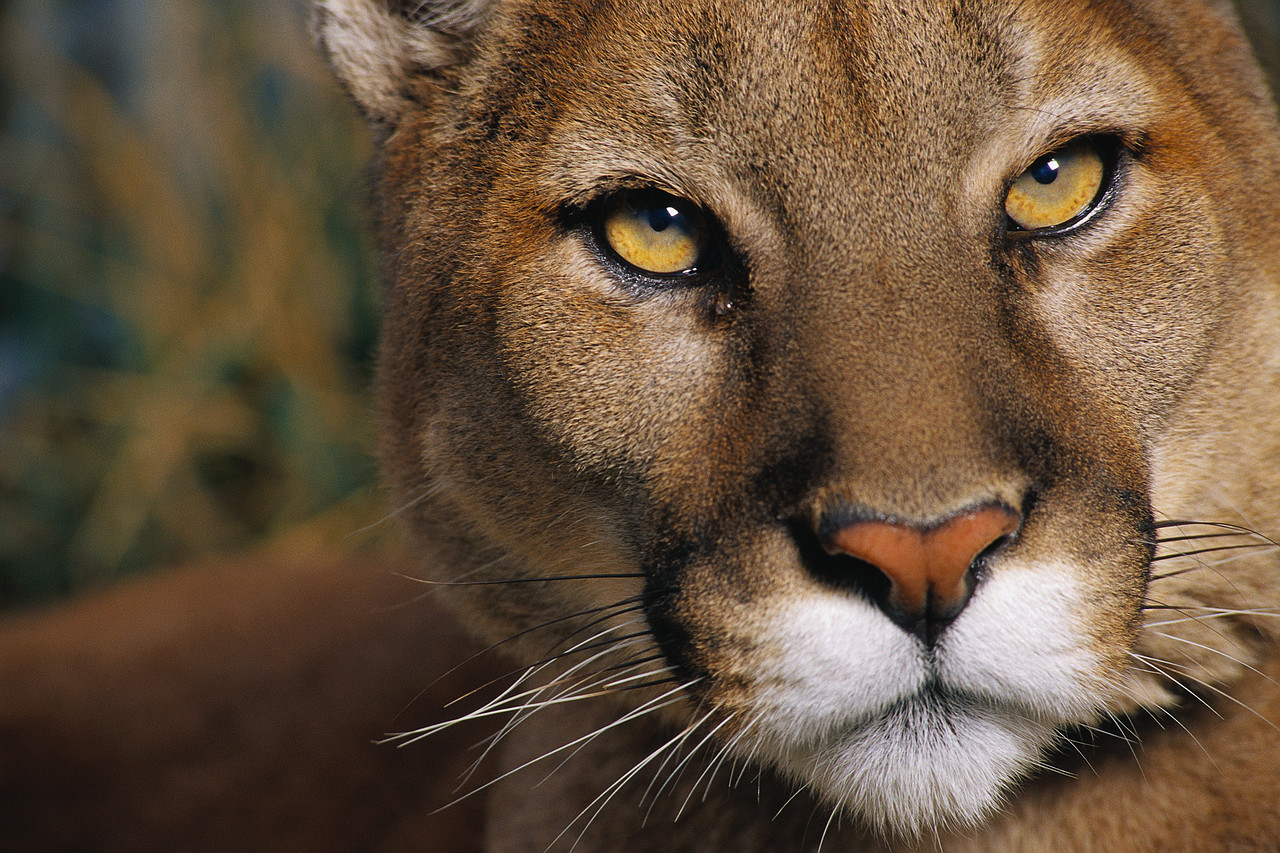
Lion.
Largest of the cat family and feared by most wild animals, the lion is almost universally known as the “king of beasts.” Its physical appearance, size, strength, dignified movements, and fierceness in killing other animals have,since early times, left a deep imprint on the human psyche.
Associations with the concept of royalty (i.e., power, majesty,control of others) have elevated the status of the lion as symbol; such figures as Richard the Lion-Hearted; various Catholic popes who have taken the name of Leo; the Buddha,who was known as the “Lion of the S´akya Race”; and Christ,called the “Lion of Judah,” have all been identified with this animal through their imputed possession of certain heroic qualities. Sekhmet, Gilgamesh, Herakles, Samson, David,Daniel, Aeneas, and Aphrodite all share some of the “lion-like” qualities of ferocity, strength, valor, dignity, and nobility.
In astrology, such connotations of royalty were taken a step further: The lion was equated with the solar principle,which is often identified as the illumination of consciousness. The constellation of Leo was assigned the sun as its ruler, and the zodiacal sign of Leo appearing during the hottest time of the year (July–August). This relationship between the sun and Leo is central to an undeurstanding of the major role played by the solar principle in this complex symbolism.
In early Western mythology, sun/lion attributes were identified as powerful cosmic forces, eventually replacing the moon/bull themes that had dominated earlier myths. In Sumer and Crete, the lion was associated with the blazing sun, which slays the moon and parches vegetation. In Egyptian art and mythology, representations of lions were frequently stationed at the end of tunnels and placed at palace doors and tombs to protect against evil spirits. Sekhmet appears as a lion-headed woman holding a sun disk. She was known as a war goddess and became associated with the Temple of Mut during the reign of Amunhotep II (1450–1425 BCE).
In his study The Great Mother (New York, 1963),Erich Neumann sees Sekhmet as a symbol of fire—the devouring, negative aspect of the solar eye that burns and judges.
In the Hebrew scriptures (Old Testament), the lion appears as a symbol of strength and power and an object of fear intended as a catalyst in humanity’s relationship to God. The allusion in Judges 14:18—“What is stronger than a lion?” and the story in Daniel 6 of the prophet who was sent into the lion’s den as a test of his faith in God exemplify the aweinspired associations of the lion with God’s power to judge humankind.
In Christian iconography Mark the evangelist is depicted as a winged lion, perhaps because the first chapter of the Gospel of Mark refers to “the voice of one crying in the wilderness” (Mk. 1:3), a voice that reputedly resembled a lion’s roar. The lion is also symbolic of Christ’s royal dignity. The Book of Revelation contains a
reference to the lion as symbolic of Christ, particularly his ability to conquer evil and overcome darkness: “Weep not, the Lion of Judah, the Root of David, has conquered” (Rv. 5:5). The lion also came to symbolize resurrection. According to popular legend, lion cubs,when born in litters of three, were stillborn; they were brought back to life by their father, who after mourning for three days, revived them with his breath. Similarly, Jesus,three days after his death, was resurrected by God the Father.
Royal and superhuman qualities are also reflected in the portrayal of the Hindu Great Mother goddess, S´akti, who rides upon a lion. In one of Visnu’s many incarnations, he manifests himself in the form of Narasimha, the “man-lion,”to defeat the demon Hiranyakasipu. Numerous references in the Bhagavadgıta demonstrate the importance of the lion as a symbol. In battle scenes, Bharata, chief of warriors, is compared to Indra and described as an “invincible lion of a man.”
Well-known representations of the lion in Indian Buddhist art include the Asoka pillar, capped by a four-faced lion, and the Sarnath pillar, crowned by a lion upholding a great wheel or disk indicative of the solar principle. In Tantric Buddhist art, the bodhisattvas Avalokite´svara and Mañjusrı are seated on lions, and the fierce goddess Simhamukha is depicted as having the head of a lioness. The stylized posture called the Buddha Entering Nirvana is also known as the Lion Posture and forms part of the ritual for disciples being initiated into certain ceremonies.
In addition to its function as a representation of the solar principle, the lion symbol has also been variously used to depict contemplation and the solitary life. These qualities are best illustrated in the lives of certain Christian saints, especially Euphemia, Ignatius, Jerome, Paul the Hermit, and Mary of Egypt.Rebirth motifs have also focused on the lion. In the Mithraic cult, the lion-headed god Aion (Deus Leontocephalus) is associated with time and the shedding of light so that rebirth may ensue. C. G. Jung regarded the lion, as discussed in alchemical literature, as a “synonym for mercurius . . . or a stage in transformation.” “The fiery lion,” he concludes, “is intended to express passionate emotionalitythat precedes recognition of unconscious contents.”
According to Heinrich Zimmer, the insatiable qualities of the lion as devourer are demonstrated in S´iva’s creation of a lion-headed monster. The Book of Job (4:10) also notes the destructive, fear-inspiring characteristics of the lion in epitomizing its roar as the “voice of the fierce.”
BIBLIOGRAPHY
Bleek, W. H. I., and L. C. Lloyd, eds. Specimens of Bushman Folklore (1911). Reprint, Cape Town, 1968.
Goodenough, Erwin R. “The Lion and Other Felines.” In his Jewish Symbols in the Greco-Roman Period, vol. 7, Pagan Symbols in Judaism, pp. 29–86. New York, 1958.
Gray, Louis H., et al., eds. The Mythology of All Races. 13 vols. Boston, 1916–1932. Consult the index, s.v.
Lions.
Gubernatis, Angelo de. “The Lion, the Tiger, the Leopard, the Panther, and the Chameleon.” In his
Zoological Mythology,or The Legends of Animals, vol. 2, pp. 153–161. London,1872.
Thompson, Stith. Motif-Index of Folk Literature. 2d ed., rev. & enl. 6 vols. Bloomington, Ind., 1955–1958. Consult the index, s.v. Lions.
New Sources
Stith, D. Matthew. “Whose Lion Is It, Anyway: The Identity of the Lion in Amos 3-12.” Koinonia 11 (Spring 1999):103–118.
KATHRYN HUTTON (1987) Revised Bibliography
Encyclopedia of Religion, Second Edition
Lindsay Jones, Editor in Chief
© 2005 Thomson Gale, a part of The Thomson Corporation.
http://www.gale.com

In yet another picture the spirit and soul are represented by a lion and lioness, between which an union must be effected before the work upon the body can be accomplished. It is an operation of great wisdom and even cunning, and he who performs it has merited the meed of praise before all others. I suppose that rough allegory could hardly express more plainly the marriage in the sanctified life between the human soul and the Divine Part. From : The Pictorial Symbols of Alchemy by Arthur Edward Waite

Twelfth Key
An alchemist in his laboratory searches for the legendary philosopher's stone, 1618. An engraving from 'Tripus Aureus', published in 1618 by Michael Maier, from the original 1599 work 'The Twelve Keys of Basil Valentine'. The lion devouring a serpent represents the process of changing matter into something new. The symbol under the window is the alchemical symbol for mercury. (Photo by Hulton Archive/Getty Images)
From : Twelve Keys of Basil Valentine From Musaeum hermeticum, Frankfurt, 1625
Revelation 5:5
Then one of the elders said to me, "Do not weep! See, the Lion of the tribe of Judah, the Root of David, has triumphed. He is able to open the scroll and its seven seals."
Και εις εκ των πρεσβυτέρων μοι λέγει· Μη κλαίε· ιδού, υπερίσχυσεν ο λέων, όστις είναι εκ της φυλής Ιούδα, η ρίζα του Δαβίδ, να ανοίξη το βιβλίον και να λύση τας επτά σφραγίδας αυτού.
To αδιέξοδο και o άνθρωπος του αδιέξοδου

Είναι ο άνθρωπος που δημιουργεί το αδιέξοδο μέσα στον κόσμο στον οποίο ζει ή αυτό υπάρχει πριν από αυτόν?
Αν υπάρχει πριν από αυτόν μήπως δημιουργήθηκε για αυτόν ή εξαιτίας του?
Τι προσφέρει η πλήρης συνειδητοποίηση του αδιέξοδου?
Μια παραίτηση ή μια επιθυμία αναζήτησης μιας διεξόδου από αυτό?
Αν υπάρχει ένα αδιέξοδο και μια διέξοδος από αυτό μήπως μιλάμε για δυο διαφορετικούς χώρους-κόσμους?
Αν ο χώρος ο οποίος υπάρχει πέρα από το αδιέξοδο είναι μιας διαφορετικής υφής μήπως χρειάζεται και μια σταδιακή μετατροπή-ενσωμάτωση σε αυτόν?
Σίγουρα ζώντας μέσα στα ανθρώπινα αδιέξοδα που δημιουργούμε καθημερινά, βιώνουμε ότι βγαίνοντας φαινομενικά από ένα τέτοιο, αυτόματα δημιουργούμε ένα άλλο, και έτσι η αίσθηση της φυλάκισης της εξάρτησης παραμένει.
Ίσος ο δρόμος ο οποίος αρχικά πρέπει να ακολουθήσουμε να μας βοηθάει προσφέροντας μας μια πλήρη γνώση και περιγραφή της φύσης του αδιέξοδου.
Μέσα από αυτήν την αρχική γνώση μπορεί αυτή η θαυμαστή εκκίνηση της εξόδου από τον λαβύρινθο μας να πραγματωθεί να ξεκινήσει με τον πρώτο σωστό και σταθερό λίθο.
Τότε ανακαλύπτουμε ότι η φύση, όπως επίσης και όλη η εργασία μας, δημιουργείται από ένα άλλο τελείως διαφορετικό σημείο αναφοράς μέσα μας, που έχει μια πλήρη αντιστοιχία με τον χώρο που υπάρχει έξω από αυτό τον χώρο του αδιέξοδου.
Ταυτόχρονα συνειδητοποιούμε ότι ενώ βρισκόμαστε και κινούμαστε μέσα σε αυτό το αδιέξοδο σταδιακά αρχίζουμε να αποσυνδεόμαστε με αυτό όχι μόνο αισθητηριακά αλλά και σωματικά.
Είναι σαν οι τοίχοι του λαβύρινθου να γίνονται διάφανοι και έτσι να μπορούμε να διακρίνουμε το τι υπάρχει πέρα από αυτούς.
Έτσι γίνονται όλα ξεκάθαρα,όλα ξεδιαλύνουν.
Σε ένα τελικό στάδιο μέσα στο οποίο αυτή η καινούργια φύση μας έχει απορροφήσει τελείως σαν από μαγεία όλοι οι τοίχοι πέφτουν και μια άλλη θαυμαστή πραγματικότητα εμφανίζεται η οποία ενώ υπήρχε στο εδώ και στο τώρα δεν μπορούσαμε καν να την αντιληφθούμε.
Η διέξοδος από το αδιέξοδο είναι μια προσωπική εκλογή που θα συμβεί σε κάθε άνθρωπο εκείνη την ψυχολογική στιγμή που ο φωτεινός ήλιος θα αγγίξει την καρδιά του ωθώντας τον σε πλήρη αυτογνωσία.

Labyrinth by Shortgreenpigg
Τρίτη 11 Ιανουαρίου 2011
Aida (1953) with Greek Subtitles

Surging brilliantly beyond the confines of the stage - its glorious arias sung by the great operatic voices of our age - its powerful drama portrayed by a brilliant cast... AIDA is THE film event of the decade!
Director: Clemente Fracassi
Writers: Clemente Fracassi (screenplay) & Antonio Ghislanzoni (based on the libretto by)
Cast :
Sophia Loren - Aida
Lois Maxwell - Amneris
Luciano della Maria - Redames
Enrico Formichi - Pharaoh
Afro Polli - Amonsaro
Antonio Cassinelli - Ramfis
http://www.imdb.com/title/tt0045483/

Link :
http://anonym.to/?http://www.megaupload.com/?d=VIU7BXZN
Thanks to tainies4free.blogspot.com

Εγγραφή σε:
Αναρτήσεις (Atom)